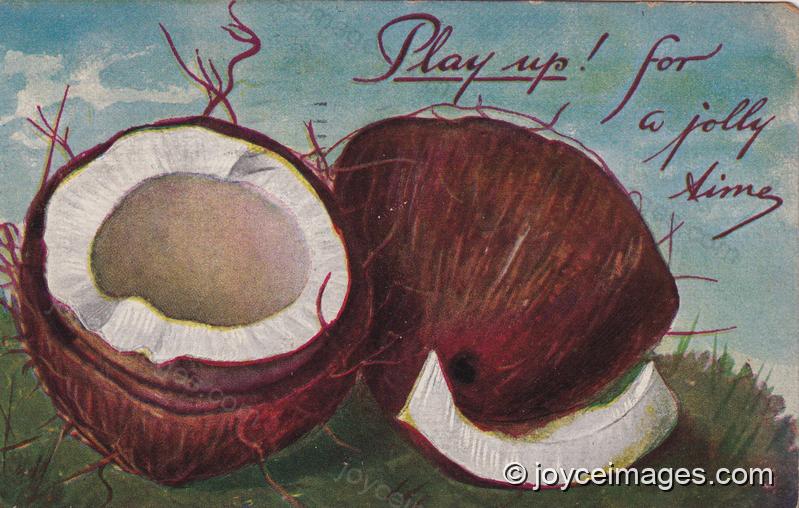
"Hoho begob says I to myself says I. That explains the milk in the cocoanut and absence of hair on the animal's chest. Blazes doing the tootle on the flute. Concert tour." (U12.996)
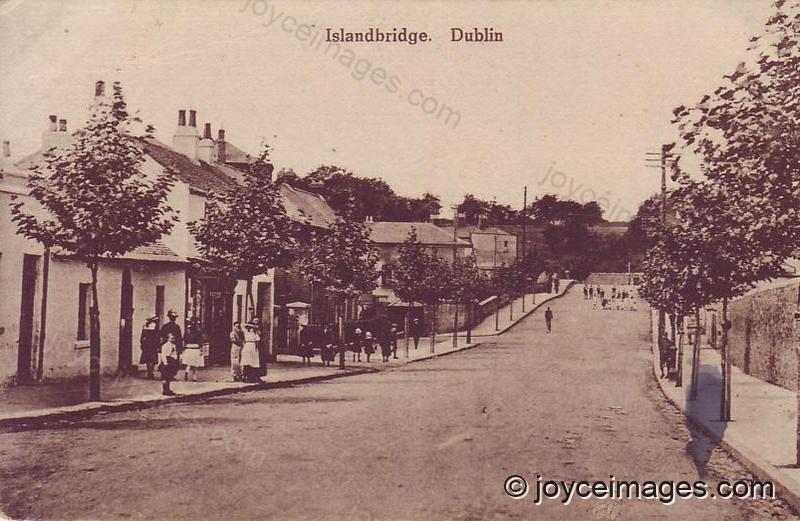
"Dirty Dan the dodger's son off Island bridge that sold the same horses twice over to the government to fight the Boers. Old Whatwhat. I called about the poor and water rate, Mr Boylan. You what? The water rate, Mr Boylan. You whatwhat? That's the bucko that'll organise her, take my tip. 'Twixt me and you Caddereesh." (U12.998)
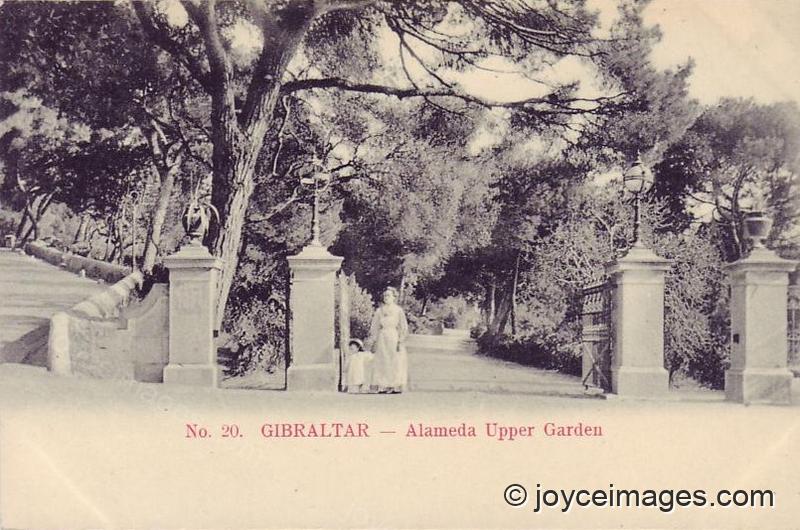
"Pride of Calpe's rocky mount, the ravenhaired daughter of Tweedy. There grew she to peerless beauty where loquat and almond scent the air. The gardens of Alameda knew her step: the garths of olives knew and bowed." (U12.1003)
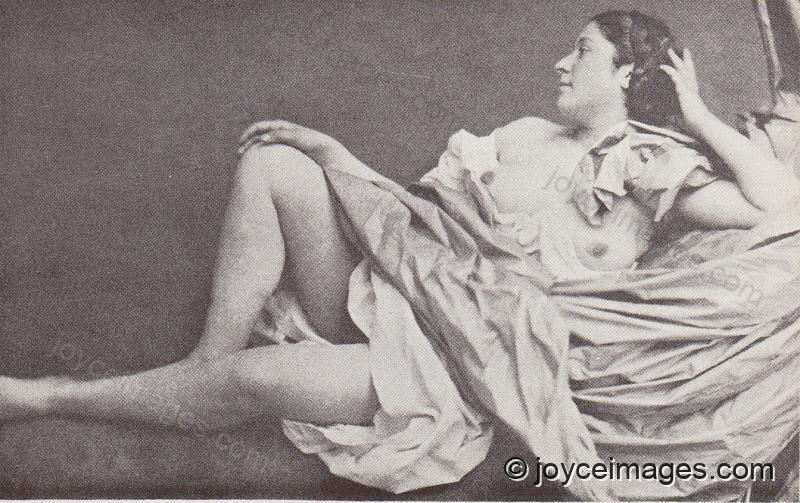
"The chaste spouse of Leopold is she: Marion of the bountiful bosoms." (U12.1006)
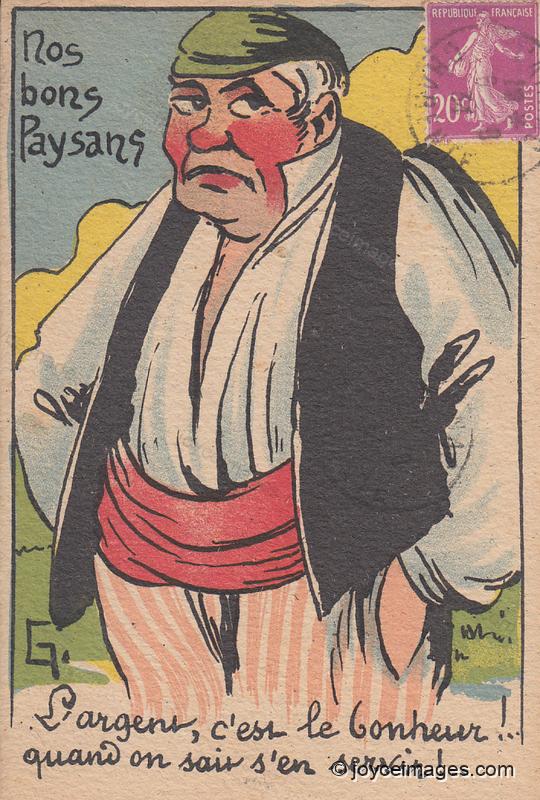
"And lo, there entered one of the clan of the O'Molloy's, a comely hero of white face yet withal somewhat ruddy, his majesty's counsel learned in the law, and with him the prince and heir of the noble line of Lambert." (U12.1008)
"— Hello, Ned.
— Hello, Alf.
— Hello, Jack.
— Hello, Joe.
— God save you, says the citizen.
— Save you kindly, says J. J. What'll it be, Ned?
— Half one, says Ned." (U12.1011)
— Hello, Alf.
— Hello, Jack.
— Hello, Joe.
— God save you, says the citizen.
— Save you kindly, says J. J. What'll it be, Ned?
— Half one, says Ned." (U12.1011)

"So J. J. ordered the drinks.
— Were you round at the court? says Joe.
— Yes, says J. J. He'll square that, Ned, says he.
— Hope so, says Ned.
Now what were those two at? J. J. getting him off the grand jury list and the other give him a leg over the stile. With his name in Stubbs's." (U12.1018)
— Were you round at the court? says Joe.
— Yes, says J. J. He'll square that, Ned, says he.
— Hope so, says Ned.
Now what were those two at? J. J. getting him off the grand jury list and the other give him a leg over the stile. With his name in Stubbs's." (U12.1018)

"Playing cards, hobnobbing with flash toffs with a swank glass in their eye, adrinking fizz and he half smothered in writs and garnishee orders." (U12.1024)

"Pawning his gold watch in Cummins of Francis street where no-one would know him in the private office when I was there with Pisser releasing his boots out of the pop." (U12.1026)
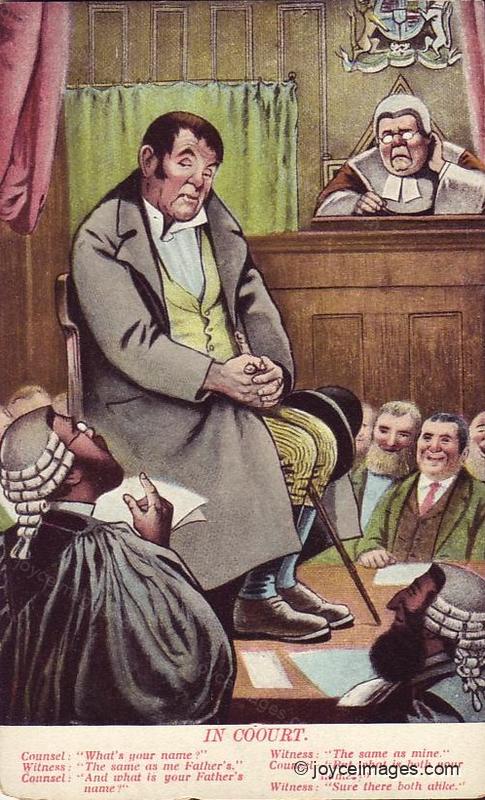
"What's your name, sir? Dunne, says he. Ay, and done says I. Gob, ye'll come home by weeping cross one of those days, I'm thinking.
— Did you see that bloody lunatic Breen round there? says Alf. U. p: up.
— Yes, says J. J. Looking for a private detective." (U12.1028)
— Did you see that bloody lunatic Breen round there? says Alf. U. p: up.
— Yes, says J. J. Looking for a private detective." (U12.1028)
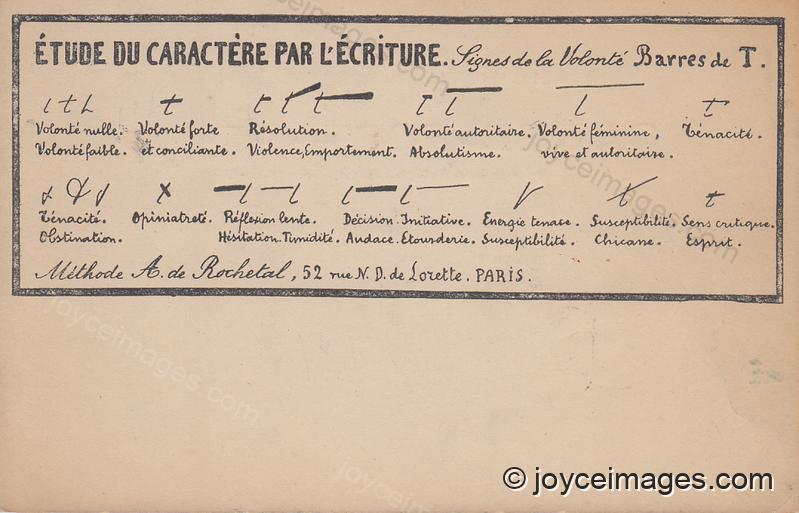
"— Ay, says Ned. And he wanted right go wrong to address the court only Corny Kelleher got round him telling him to get the handwriting examined first.
— Ten thousand pounds, says Alf, laughing. God, I'd give anything to hear him before a judge and jury.
— Was it you did it, Alf? says Joe." (U12.1033)
— Ten thousand pounds, says Alf, laughing. God, I'd give anything to hear him before a judge and jury.
— Was it you did it, Alf? says Joe." (U12.1033)
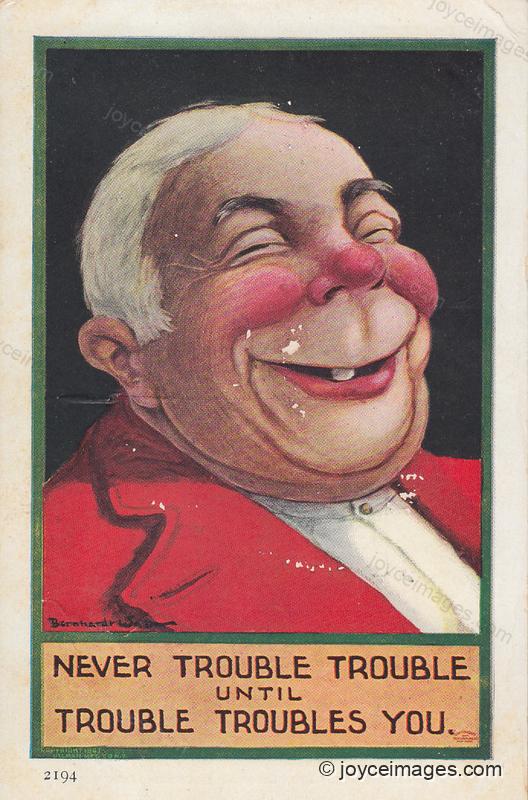
"— Compos your eye! says Alf, laughing. Do you know that he's balmy?
Look at his head. Do you know that some mornings he has to get his hat on with a shoehorn.
—Yes, says J. J., but the truth of a libel is no defence to an indictment for publishing it in the eyes of the law.
— Ha ha, Alf, says Joe.
— Still, says Bloom, on account of the poor woman, I mean his wife.
— Pity about her, says the citizen. Or any other woman marries a half and half." (U12.1045)

"- How half and half? says Bloom. Do you mean he...
- Half and half I mean, says the citizen. A fellow that's neither fish nor flesh.
- Nor good red herring, says Joe.
- That what's I mean, says the citizen. A pishogue, if you know what that is." (U12.1055)
- Half and half I mean, says the citizen. A fellow that's neither fish nor flesh.
- Nor good red herring, says Joe.
- That what's I mean, says the citizen. A pishogue, if you know what that is." (U12.1055)
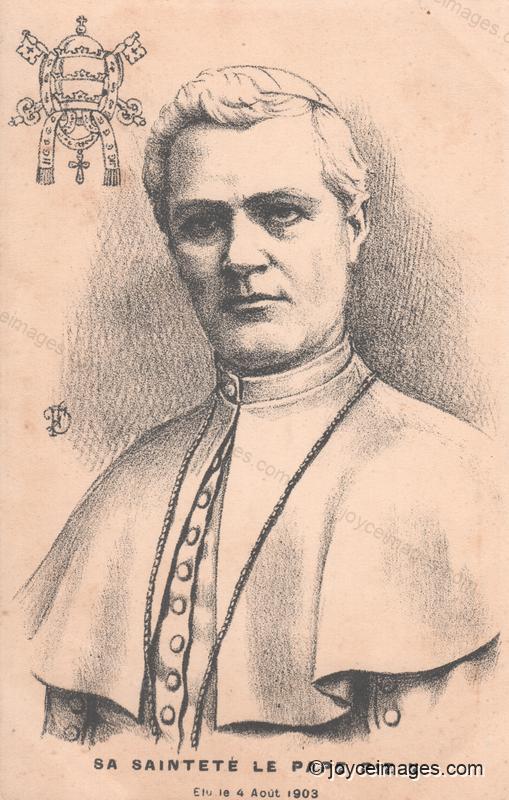
"Begob I saw there was trouble coming. And Bloom explaining he meant on account of it being cruel for the wife having to go round after the old stuttering fool. Cruelty to animals so it is to let that bloody povertystricken Breen out on grass with his beard out tripping him, bringing down the rain. And she with her nose cockahoop after she married him because a cousin of his old fellow's was pewopener to the pope." (U12.1060)
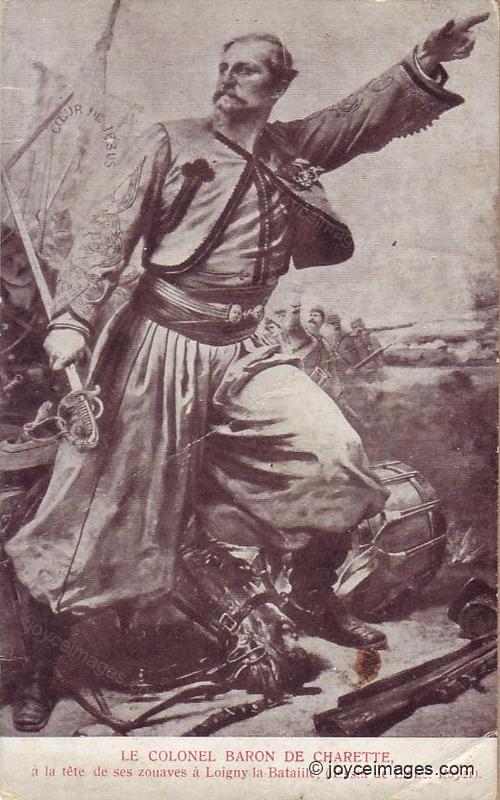
"Picture of him on the wall with his Smashall Sweeney's moustaches, the signior Brini from Summerhill, the eyetallyano, papal Zouave to the Holy Father, has left the quay and gone to Moss street. And who was he, tell us? A nobody, two pair back and passages, at seven shillings a week," (U12.1065)
[*Ed. The original 'Zouaves' were an infantry corps in the French army, created in Algeria in 1831, and formally recognised by a Royal decree in 1833. Their uniform was an 'oriental' dress with a fez, braided blue jackets with waistcoats, and voluminous red trousers. The name 'zouave' was later used for armies that imitated their attire.]
[*Ed. The original 'Zouaves' were an infantry corps in the French army, created in Algeria in 1831, and formally recognised by a Royal decree in 1833. Their uniform was an 'oriental' dress with a fez, braided blue jackets with waistcoats, and voluminous red trousers. The name 'zouave' was later used for armies that imitated their attire.]
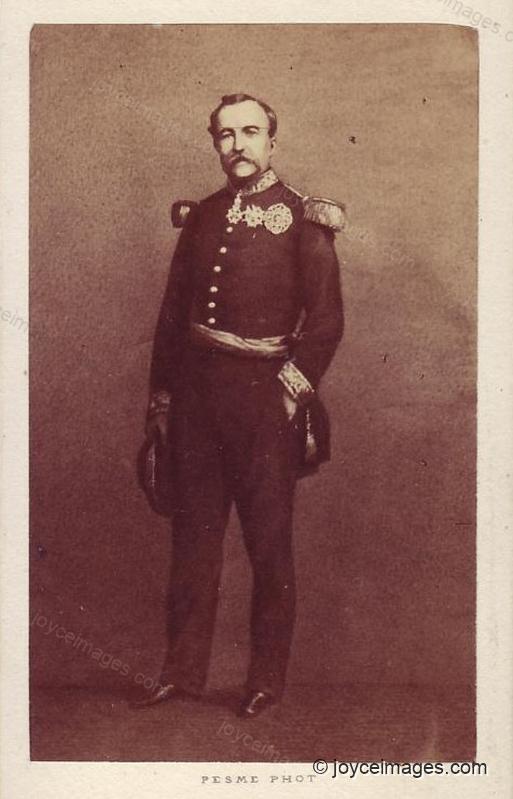
[*Ed. The Papal Zouaves ('Zuavi Pontifici') were a volunteer unit formed in 1860 by Lamoricière (shown here) to help protect the papal states, during Pope Pius IX's struggle against the Italian Risorgimento. They had to be young men, unmarried and Roman Catholic. They were of diverse origins, the Dutch being the largest group. They were disbanded in 1870. ]