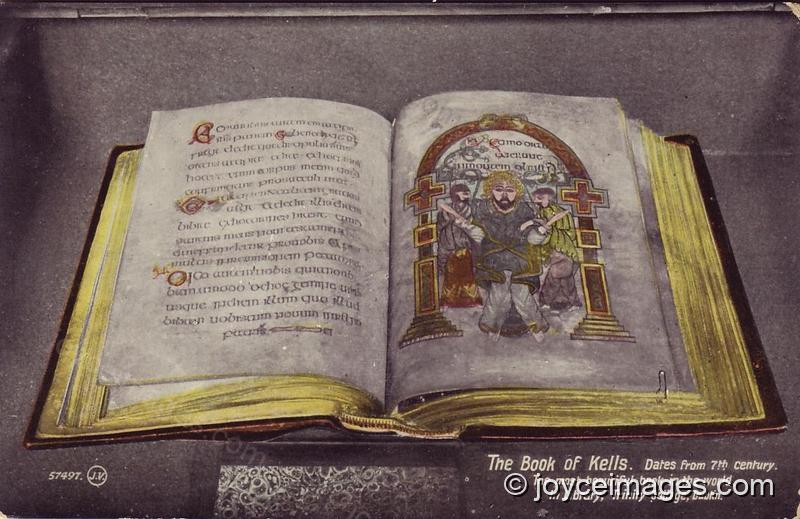
"Book of Kells:" (U17.755)
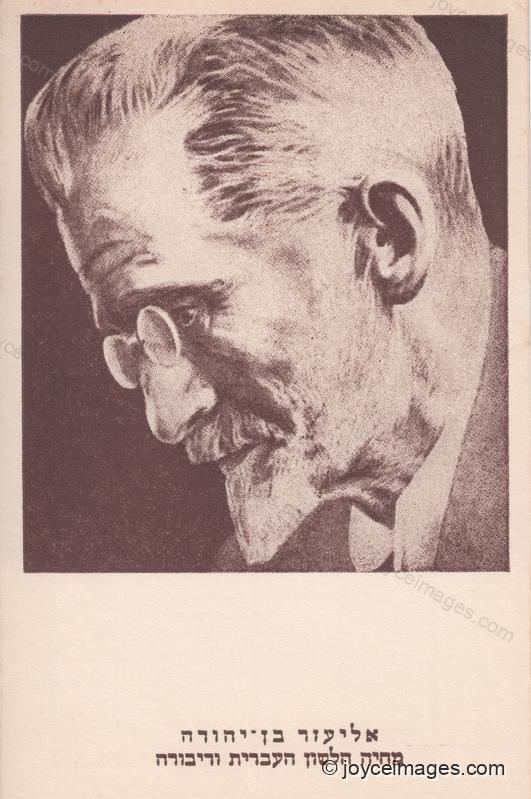
"their dispersal, persecution, survival and revival: the isolation of their synagogical and ecclesiastical rites in ghetto (S. Mary's Abbey) and masshouse (Adam and Eve's tavern):" (17.755)
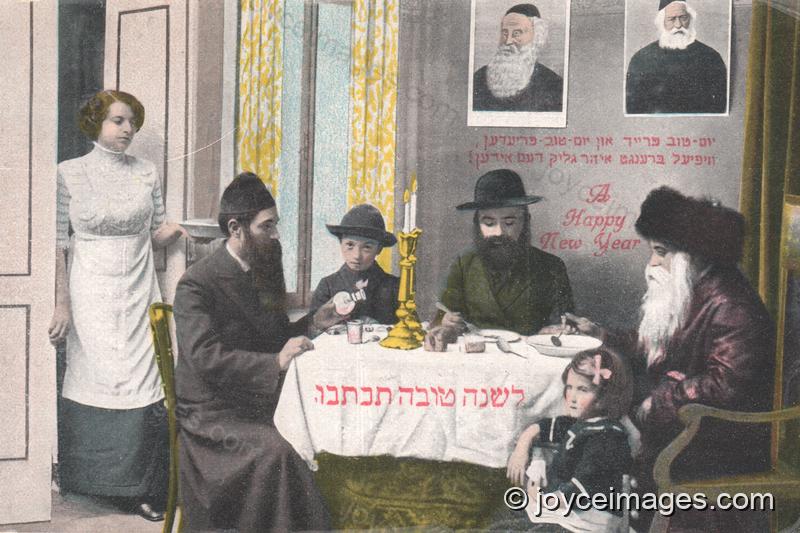
"the proscription of their national costumes in penal laws and jewish dress acts: the restoration in Chanah David of Zion and the possibility of Irish political autonomy or devolution." (U17.758)
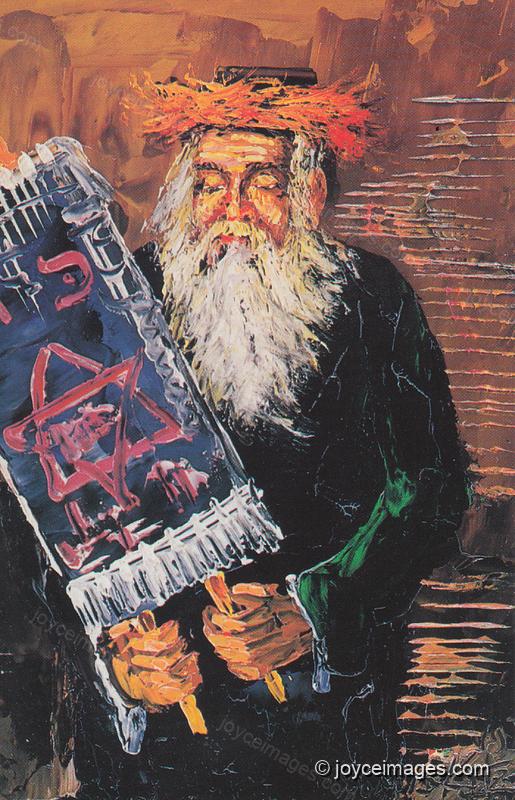
"What anthem did Bloom chant partially in anticipation of that multiple, ethnically irreducible consummation?
Kolod balejwaw pnimah
Nefesch, jehudi, homijah." (U17.761)
Kolod balejwaw pnimah
Nefesch, jehudi, homijah." (U17.761)
"Why was the chant arrested at the conclusion of this first distich?
In consequence of defective mnemotechnic.
How did the chanter compensate for this deficiency?
By a periphrastic version of the general text." (U17.765)
In consequence of defective mnemotechnic.
How did the chanter compensate for this deficiency?
By a periphrastic version of the general text." (U17.765)
"In what common study did their mutual reflections merge?
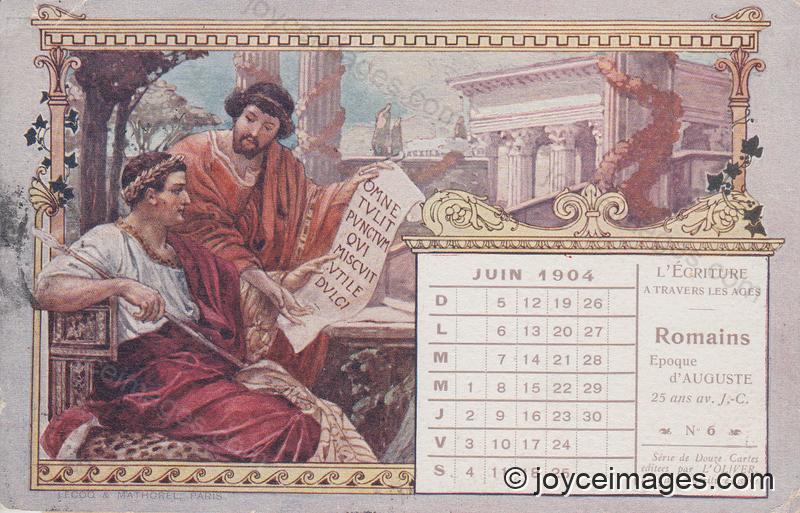
The increasing simplification traceable from the Egyptian epigraphic hieroglyphs to the Greek and Roman alphabets and the anticipation of modern stenography and telegraphic code in the cuneiform inscriptions (Semitic) and the virgular quinquecostate ogham writing (Celtic).
Did the guest comply with his host's request?
Doubly, by appending his signature in Irish and Roman characters." (U17.769)
"What future careers had been possible for Bloom in the past and with what exemplars?
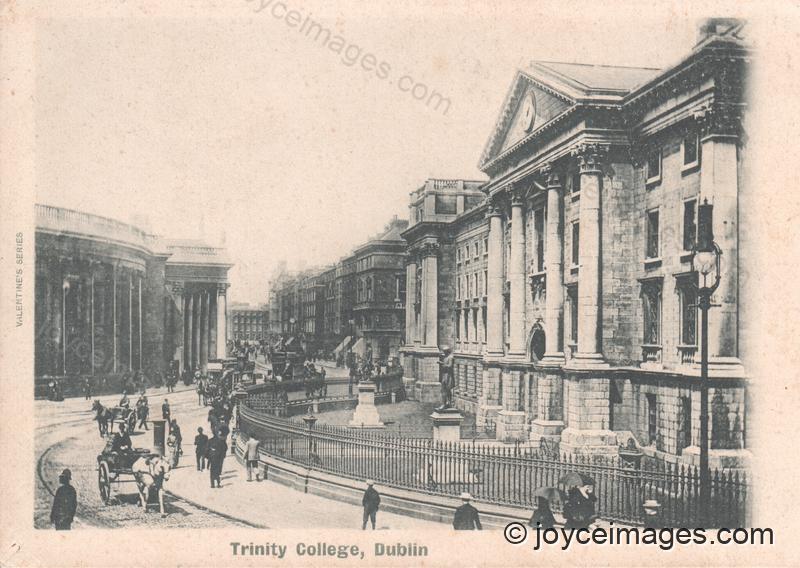
In the church, Roman, Anglican or Nonconformist: exemplars, the very reverend John Conmee S. J., the reverend T. Salmon, D. D., provost of Trinity college, Dr Alexander J. Dowie. At the bar, English or Irish: exemplars, Seymour Bushe, K. C., Rufus Isaacs, K. C." (U17.787)
In the church, Roman, Anglican or Nonconformist: exemplars, the very reverend John Conmee S. J., the reverend T. Salmon, D. D., provost of Trinity college, Dr Alexander J. Dowie. At the bar, English or Irish: exemplars, Seymour Bushe, K. C., Rufus Isaacs, K. C." (U17.787)
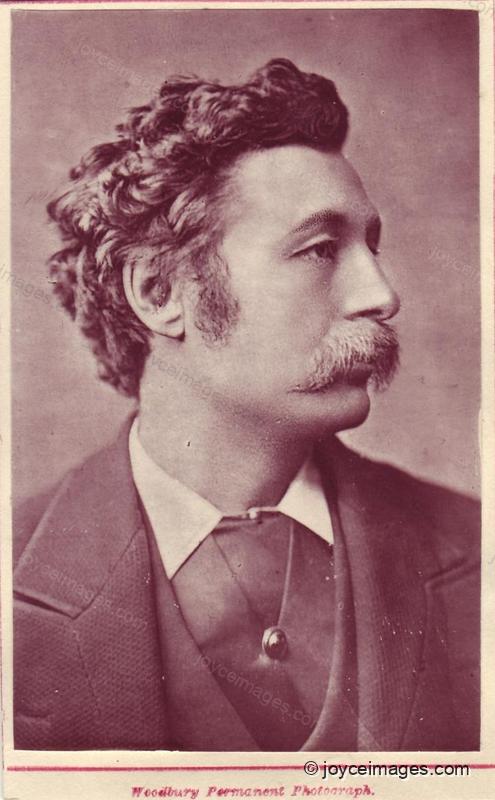
"On the stage, modern or Shakespearean: exemplars, Charles Wyndham, high comedian, Osmond Tearle (d. 1901), exponent of Shakespeare.
Did the host encourage his guest to chant in a modulated voice a strange legend on an allied theme?
Reassuringly, their place, where none could hear them talk, being secluded, reassured, the decocted beverages, allowing for subsolid residual sediment of a mechanical mixture, water plus sugar plus cream plus cocoa, having been consumed." (U17.792)
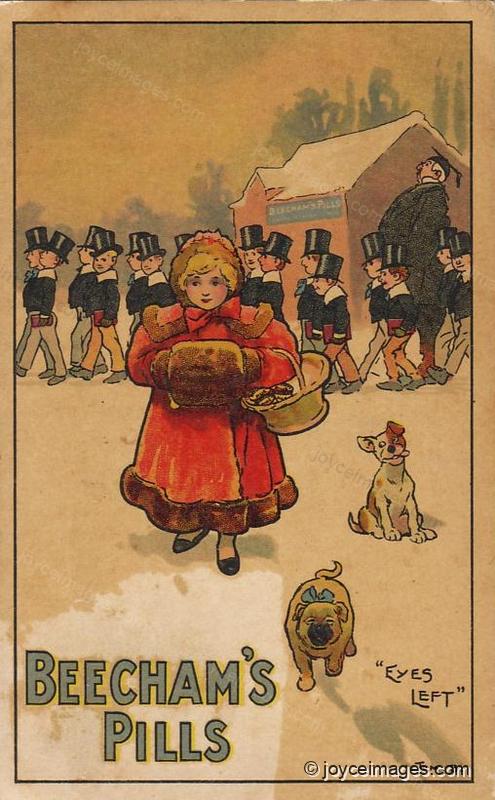
"Recite the first (major) part of this chanted legend.
Little Harry Hughes and his schoolfellows all
Went out for to play ball.
And the very first ball little Harry Hughes played
He drove it o'er the jew's garden wall.
And the very second ball little Harry Hughes played
He broke the jew's windows all." (U17.801)
Little Harry Hughes and his schoolfellows all
Went out for to play ball.
And the very first ball little Harry Hughes played
He drove it o'er the jew's garden wall.
And the very second ball little Harry Hughes played
He broke the jew's windows all." (U17.801)
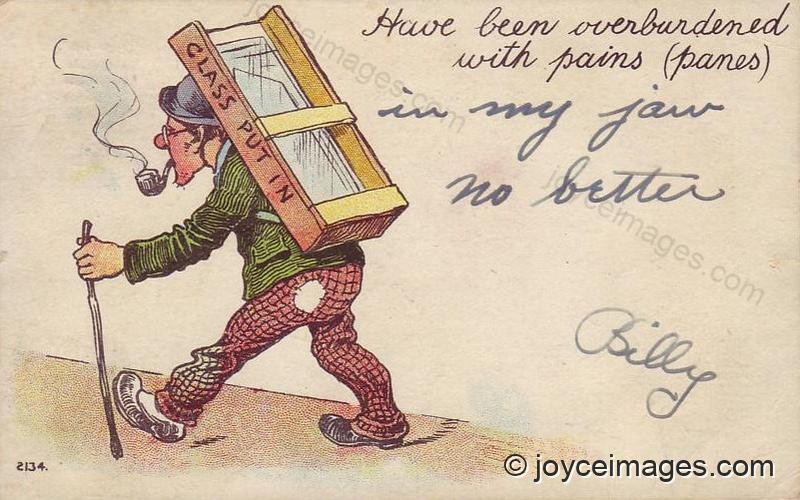
"How did the son of Rudolph receive this first part?
With unmixed feeling. Smiling, a jew, he heard with pleasure and saw the unbroken kitchen window." (U17.809)
With unmixed feeling. Smiling, a jew, he heard with pleasure and saw the unbroken kitchen window." (U17.809)
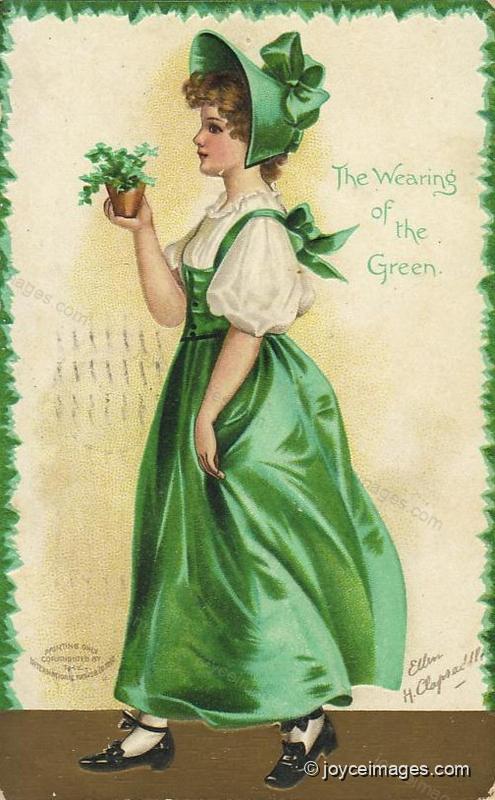
"Recite the second part (minor) of the legend.
Then out there came the jew's daughter
And she all dressed in green.
"Come back, come back, you pretty little boy,
And play your ball again." (U17.812)
Then out there came the jew's daughter
And she all dressed in green.
"Come back, come back, you pretty little boy,
And play your ball again." (U17.812)
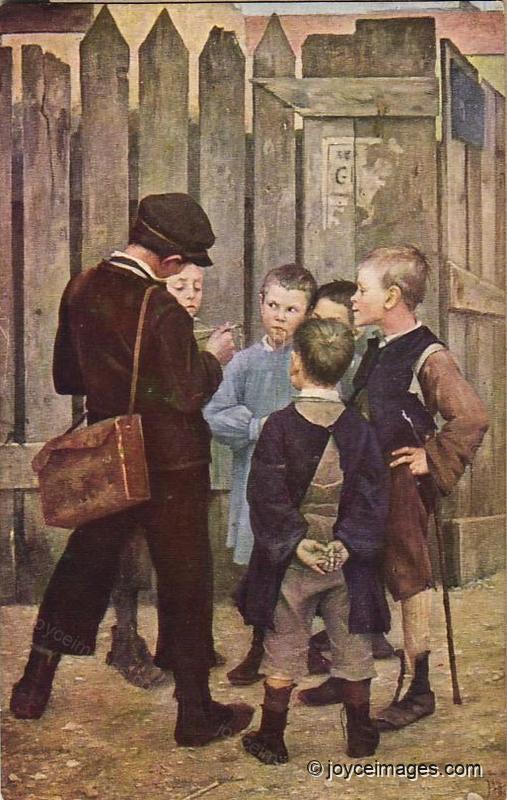
"I can't come back and I won't come back
Without my schoolfellows all.
For if my master he did hear
He'd make it a sorry ball." (U17.817)
Without my schoolfellows all.
For if my master he did hear
He'd make it a sorry ball." (U17.817)
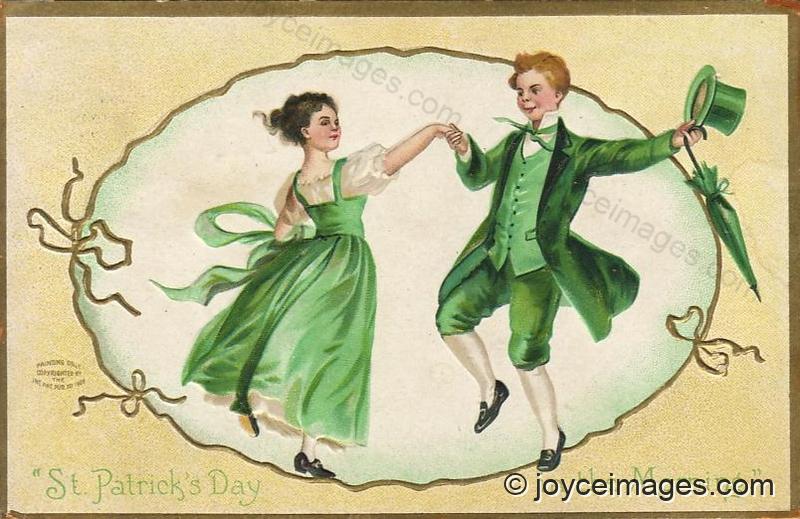
"She took him by the lilywhite hand
And led him along the hall
Until she led him to a room
Where none could hear him call." (U17.821)
And led him along the hall
Until she led him to a room
Where none could hear him call." (U17.821)
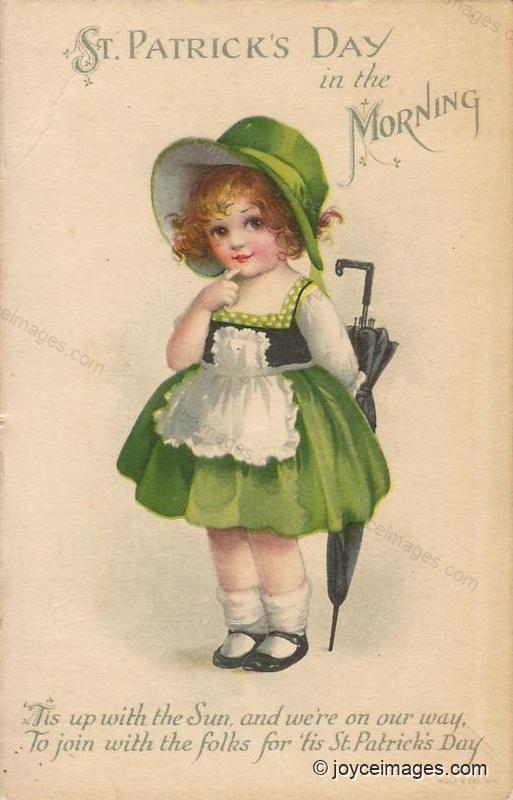
"She took a penknife out of her pocket
And cut off his little head
And now he'll play his ball no more
For he lies among the dead.
How did the father of Millicent receive this second part?
With mixed feelings. Unsmiling, he heard and saw with wonder a jew's daughter, all dressed in green." (U17.825)
And cut off his little head
And now he'll play his ball no more
For he lies among the dead.
How did the father of Millicent receive this second part?
With mixed feelings. Unsmiling, he heard and saw with wonder a jew's daughter, all dressed in green." (U17.825)
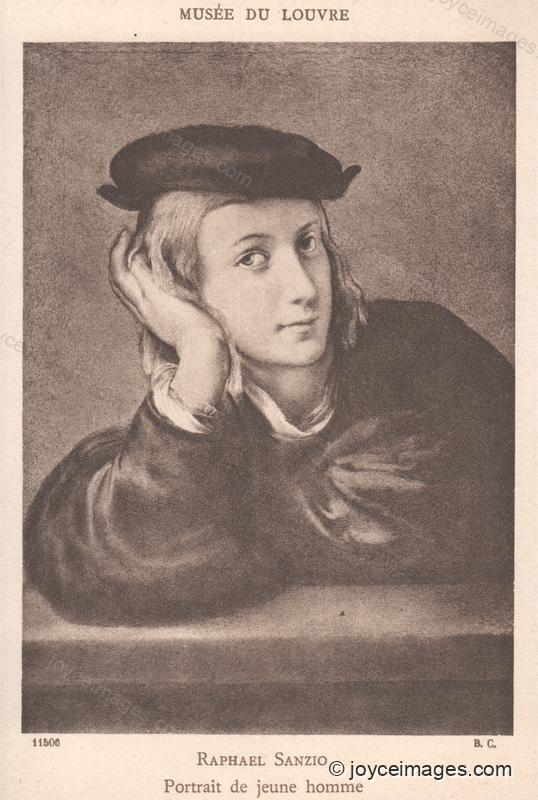
"Condense Stephen's commentary.
One of all, the least of all, is the victim predestined. Once by inadvertence twice by design he challenges his destiny. It comes when he is abandoned and challenges him reluctant and, as an apparition of hope and youth, holds him unresisting. It leads him to a strange habitation, to a secret infidel apartment, and there, implacable, immolates him, consenting." (U17.832)
One of all, the least of all, is the victim predestined. Once by inadvertence twice by design he challenges his destiny. It comes when he is abandoned and challenges him reluctant and, as an apparition of hope and youth, holds him unresisting. It leads him to a strange habitation, to a secret infidel apartment, and there, implacable, immolates him, consenting." (U17.832)
"the mitigating circumstances of fanaticism, hypnotic suggestion and somnambulism.
From which (if any) of these mental or physical disorders was he not totally immune?
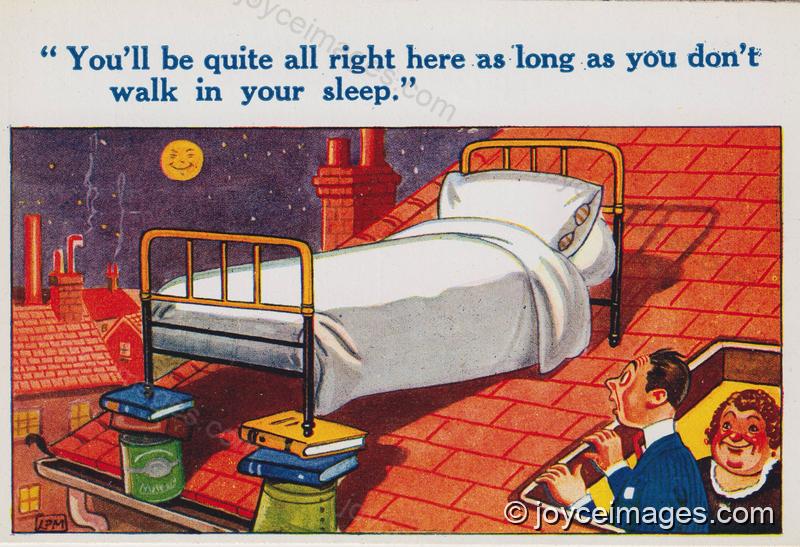
From hypnotic suggestion: once, waking, he had not recognised his sleeping apartment: more than once, waking, he had been for an indefinite time incapable of moving or uttering sounds. From somnambulism: once,
sleeping, his body had risen, crouched and crawled in the direction of a heatless fire and, having attained its destination, there, curled, unheated, in night attire had lain, sleeping." (U17.848)