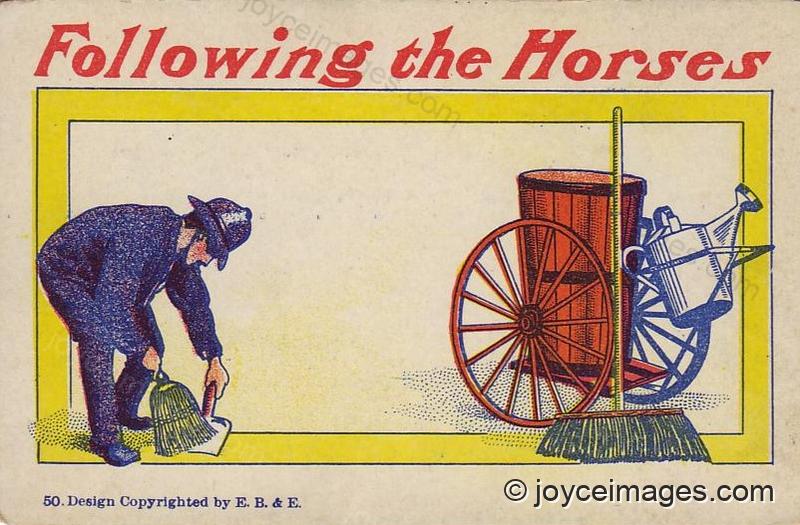
"The horse, having reached the end of his tether, so to speak, halted, and, rearing high a proud feathering tail, added his quota by letting fall on the floor, which the brush would soon brush up and polish, three smoking globes of turds. Slowly, three times, one after another, from a full crupper, he mired. And humanely his driver waited till he (or she) had ended, patient in his scythed car." (U16.1874)
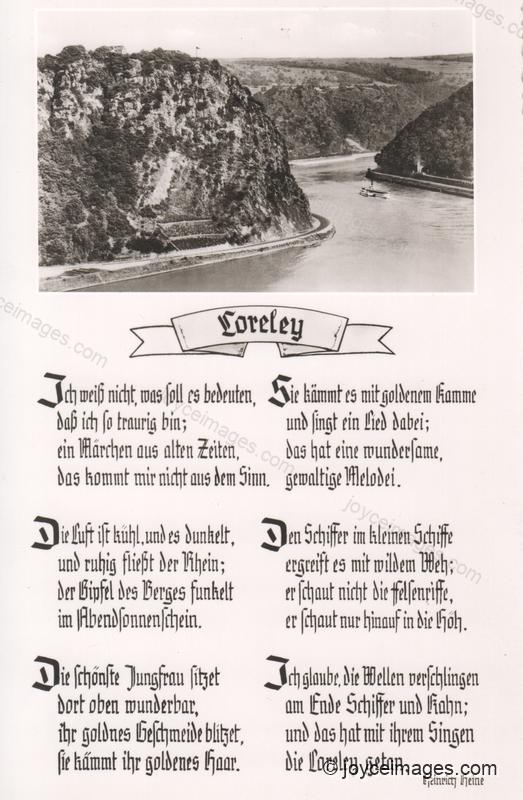
"Side by side Bloom, profiting by the contretemps, with Stephen passed through the gap of the chains, divided by the upright, and, stepping over a strand of mire, went across towards Gardiner street lower, Stephen singing more boldly, but not loudly, the end of the ballad.
Und alle Schiffe brücken.
The driver never said a word, good, bad or indifferent, " (U16.1880)
Und alle Schiffe brücken.
The driver never said a word, good, bad or indifferent, " (U16.1880)
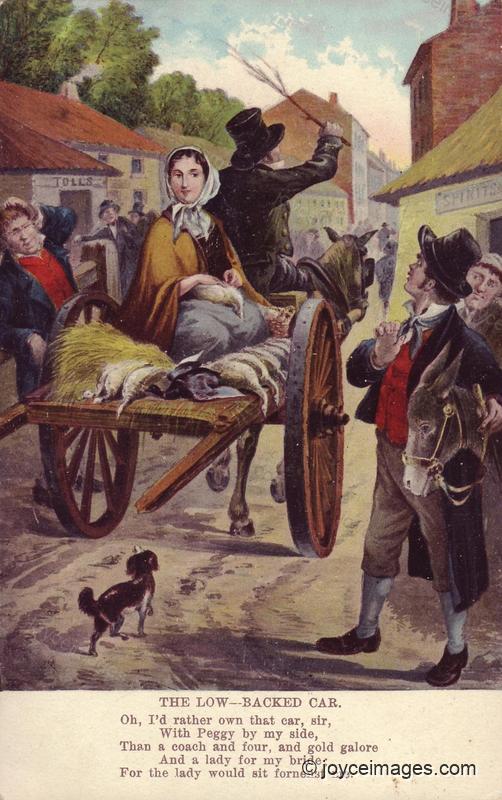
"but merely watched the two figures, as he sat on his lowbacked car, both black, one full, one lean, walk towards the railway bridge," (U16.1885)
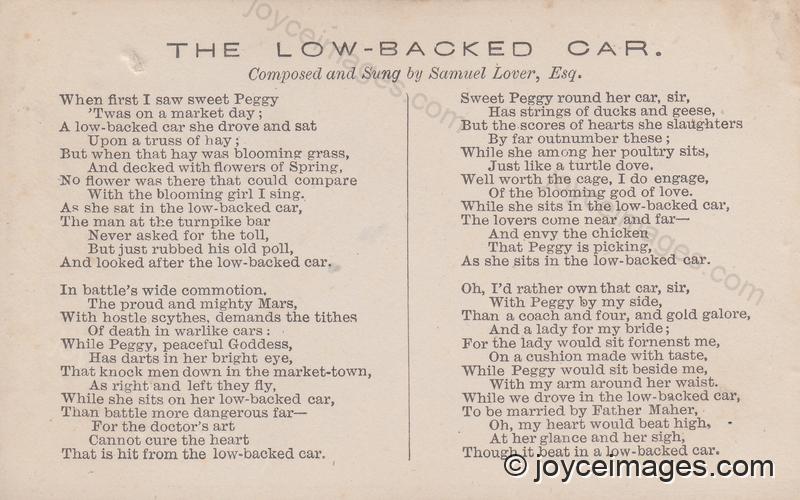
"to be married by Father Maher." (U16.1887)
[*Ed. 'The Low-Backed Car' is a song written in 1846 by Samuel Lover (1797 - 1868). The tune is said to be a variant of the English folksong 'The Jolly Ploughboy.]
[*Ed. 'The Low-Backed Car' is a song written in 1846 by Samuel Lover (1797 - 1868). The tune is said to be a variant of the English folksong 'The Jolly Ploughboy.]
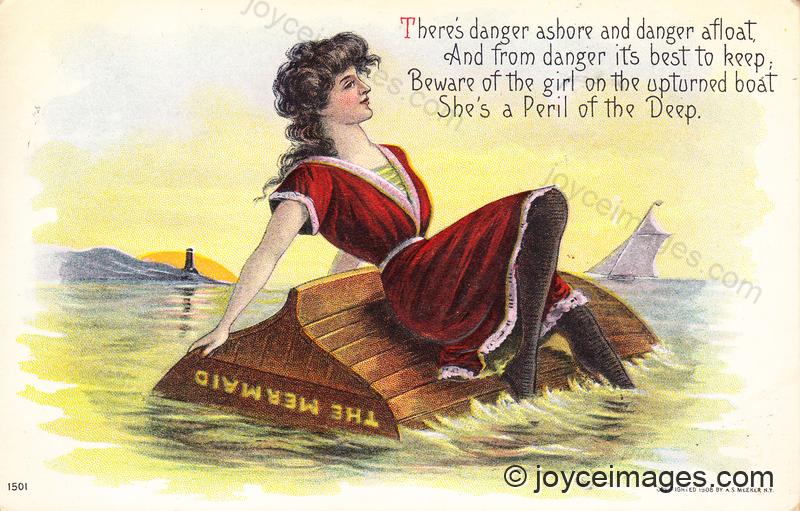
"As they walked they at times stopped and walked again continuing their tête à tête (which, of course, he was utterly out of) about sirens enemies of man's reason, mingled with a number of other topics of the same category, usurpers, historical cases of the kind while the man in the sweeper car or you might as well call it in the sleeper car who in any case couldn't possibly hear" (U16.1888)
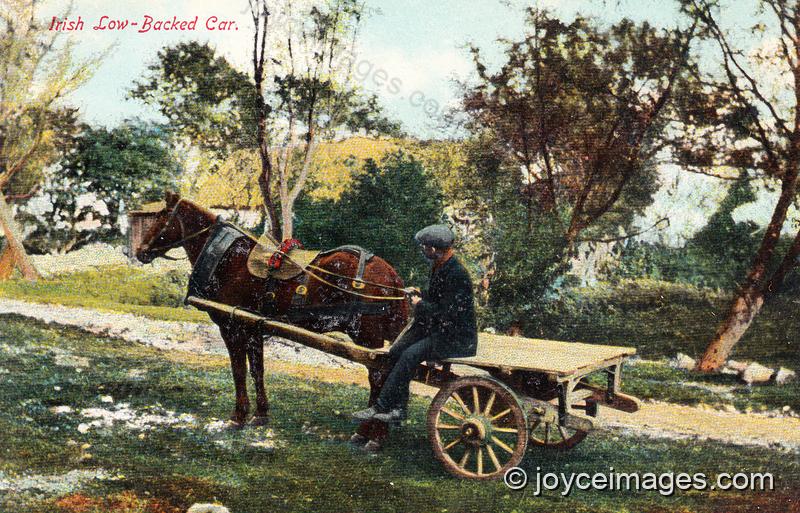
"because they were too far simply sat in his seat near the end of lower Gardiner street and looked after their lowbacked car." (U16.1893)